Judging Bulk Lab‑Grown Pink Diamond Quality
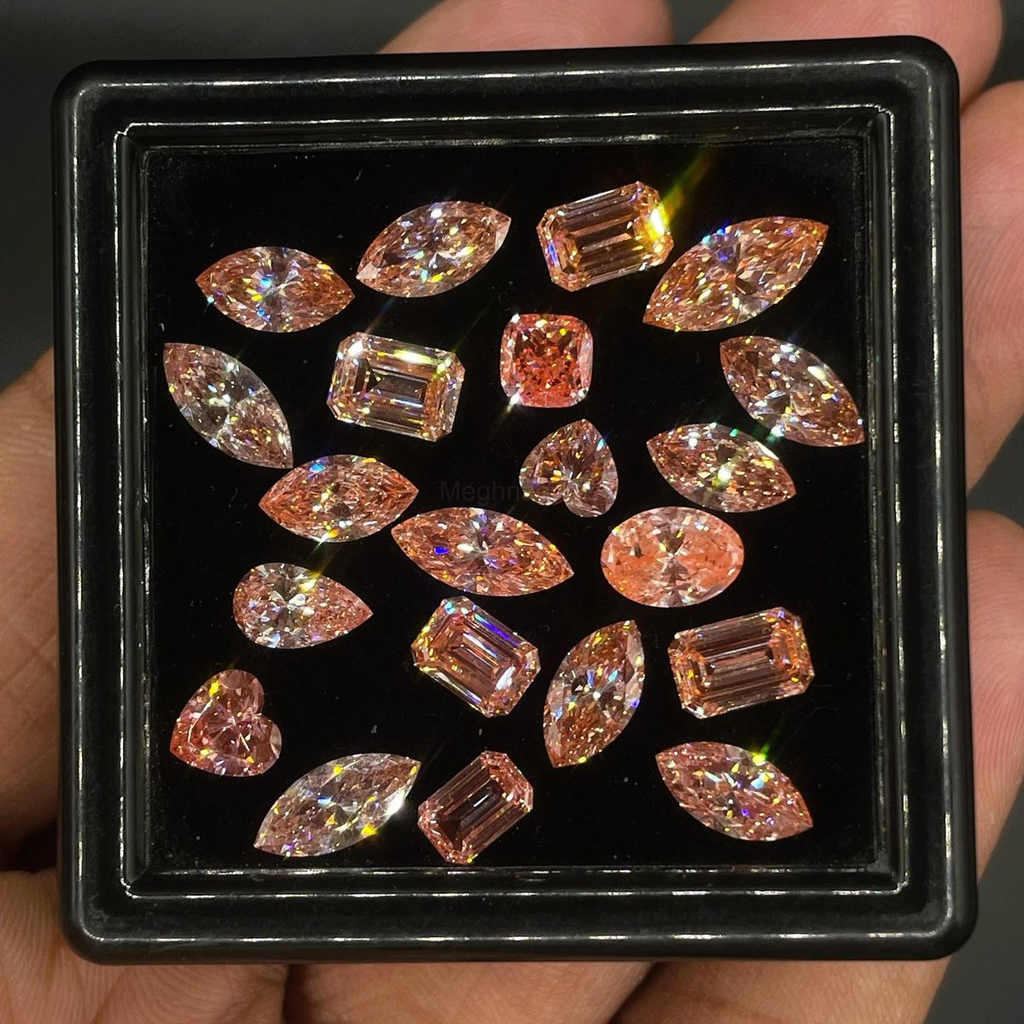
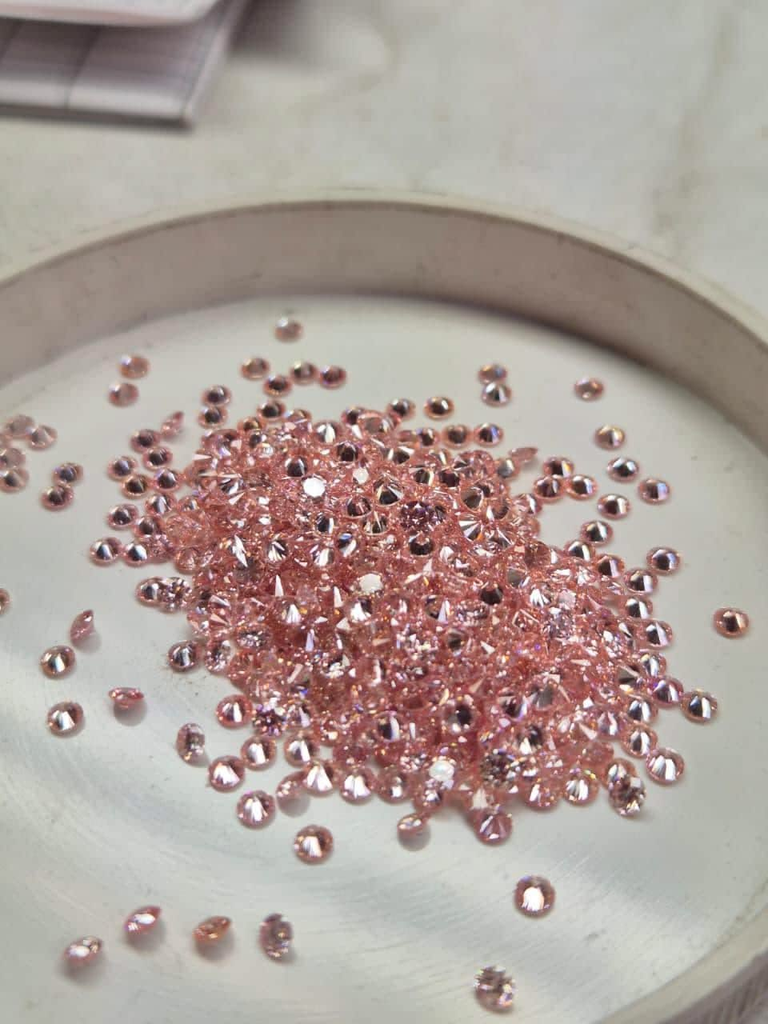
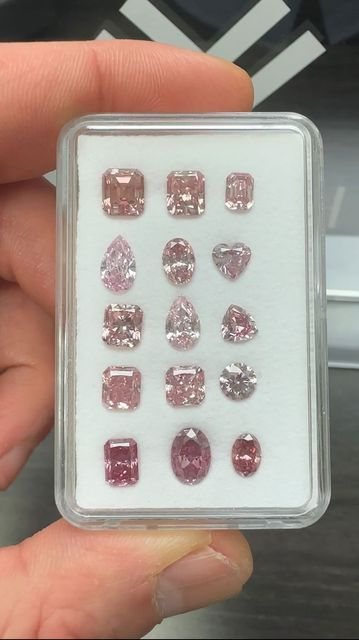
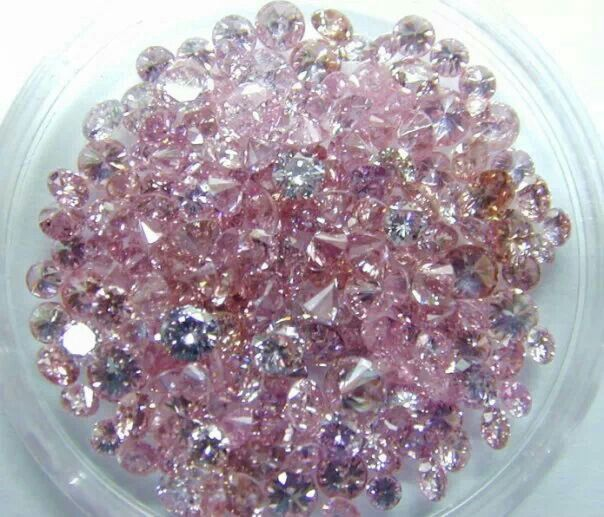
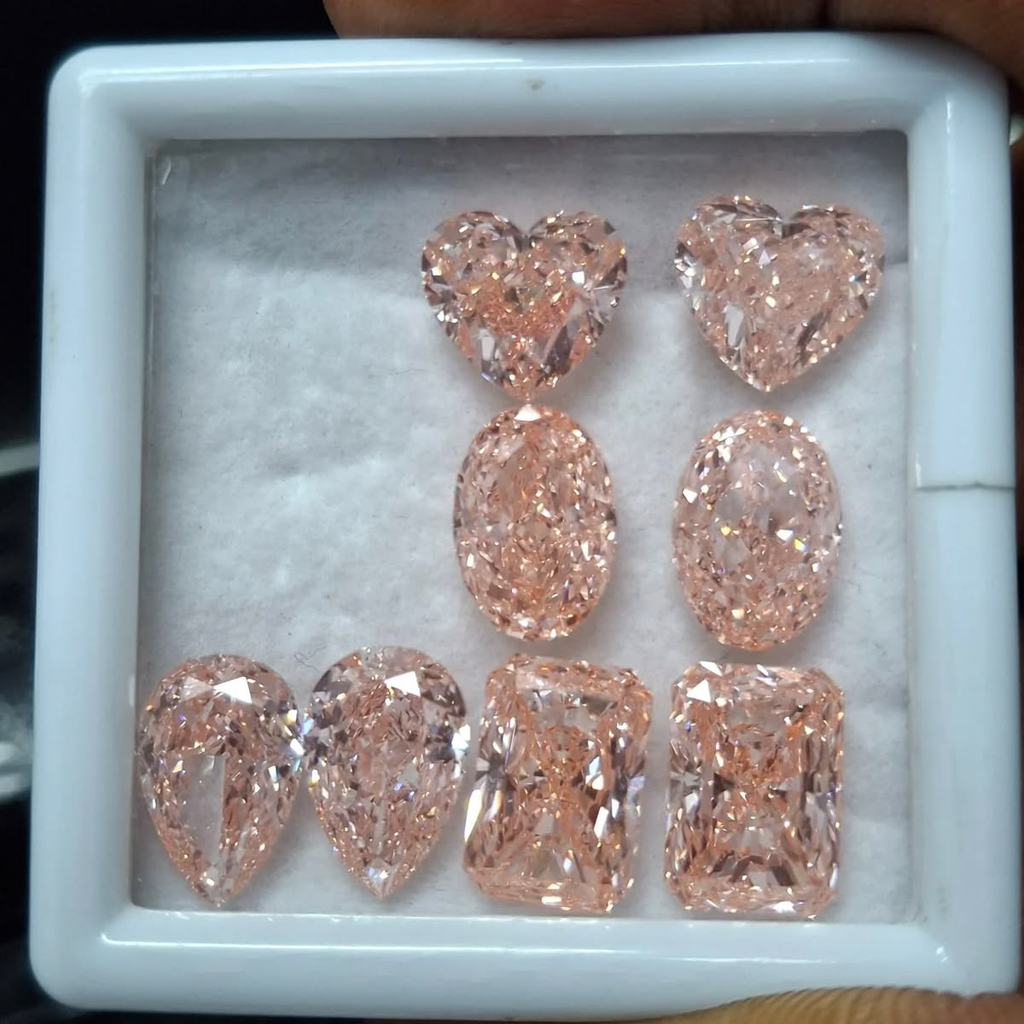
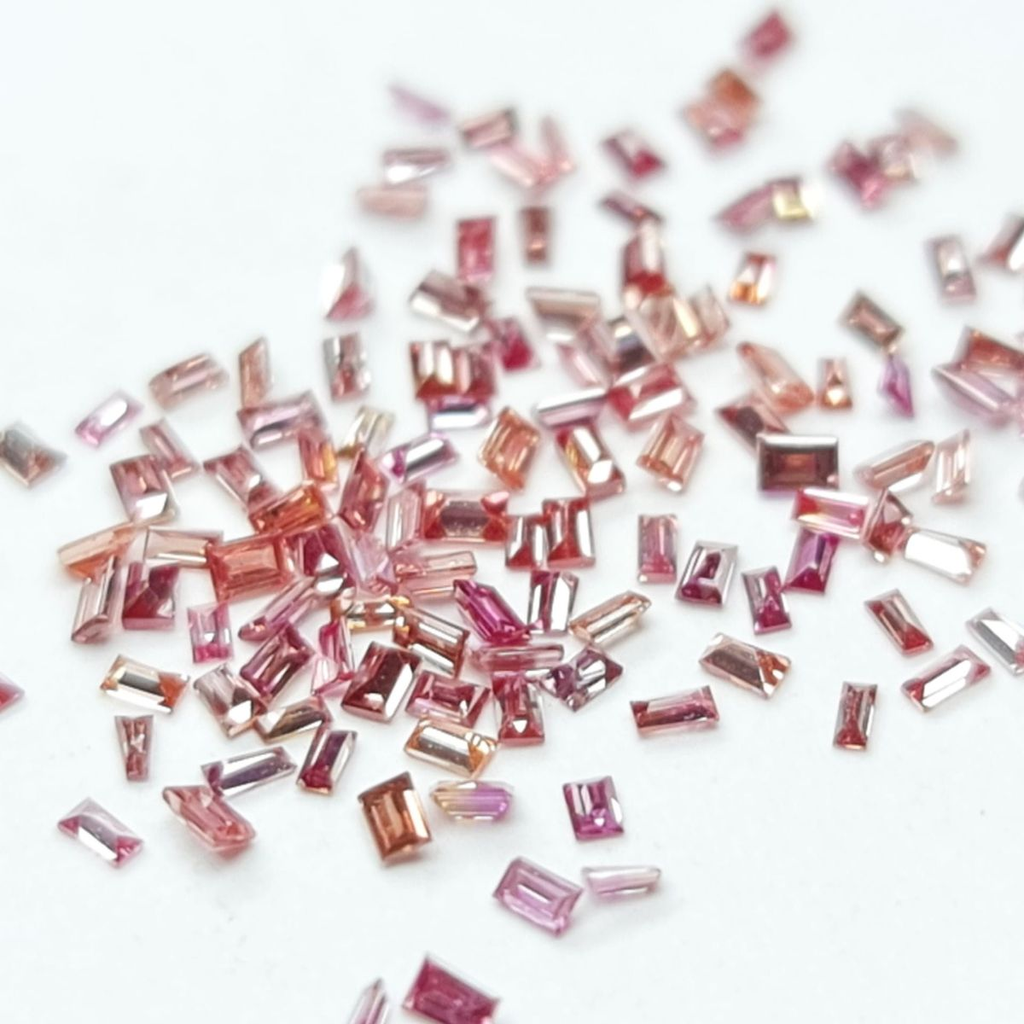
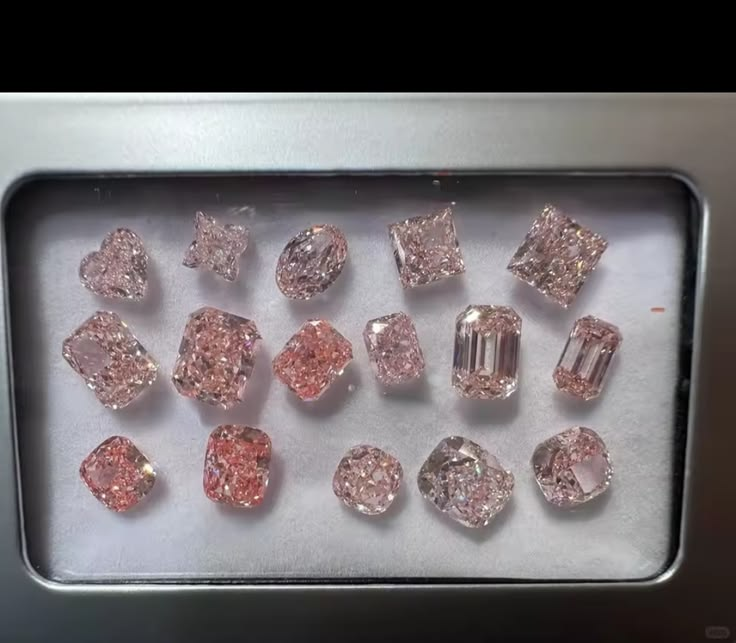
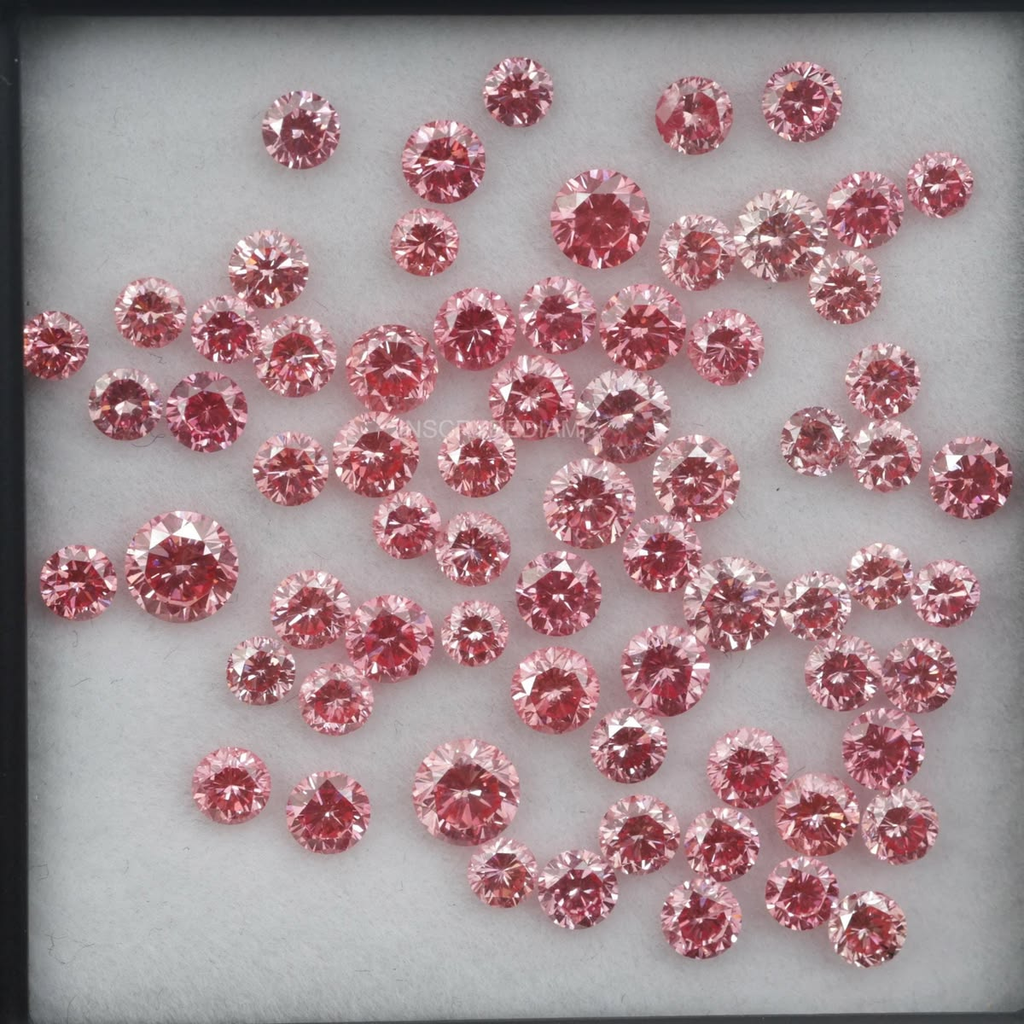
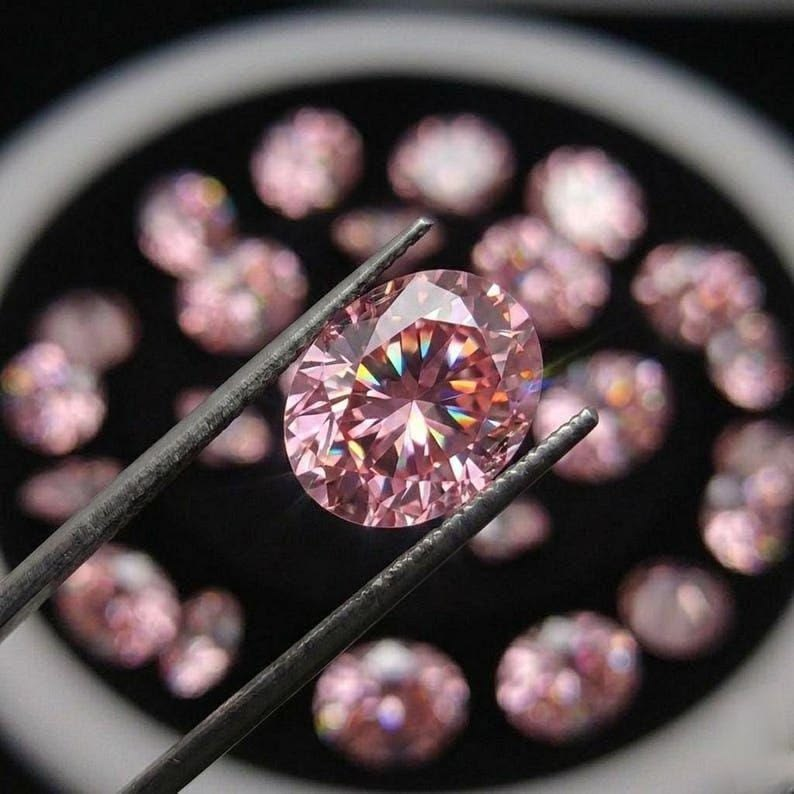
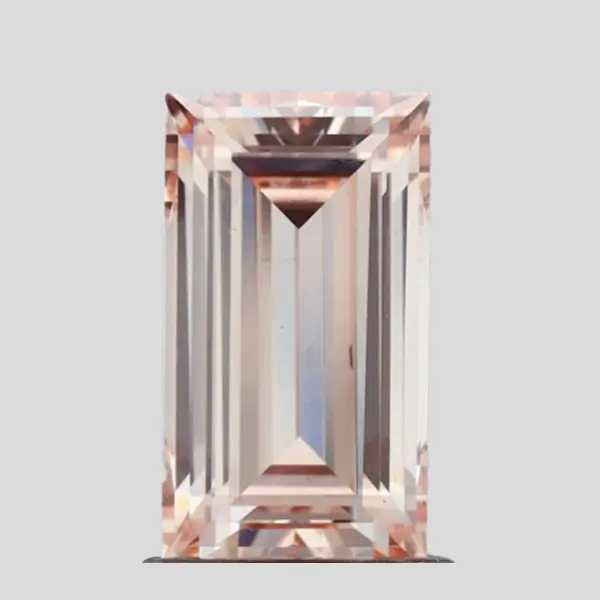
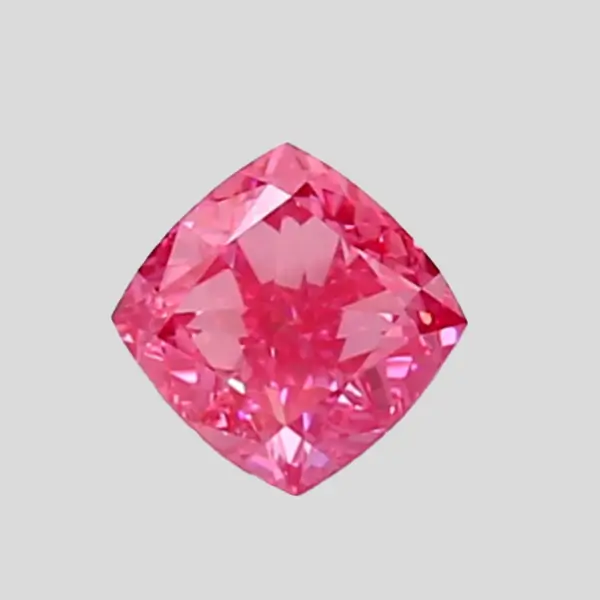
Bulk procurement and quality grading of lab-grown pink diamonds have become core competitiveness points in the global colored diamond wholesale market. As a professional lab diamond pink manufacturer china with mature HPHT and CVD production lines, we have accumulated systematic quality judgment standards tailored for mass production and wholesale scenarios. Different from natural pink diamonds with scarce resources and unstable quality, lab-grown pink diamonds feature controllable growth conditions, standardized production processes and stable batch consistency. Professional quality evaluation can effectively screen high-quality products, eliminate defective batches, and provide reliable high-quality Wholesale Lab Grown Diamonds & Jewelry supply for global jewelers, designers and brand dealers. This article elaborates on the core dimensions of bulk lab-grown pink diamond quality evaluation from the perspective of front-end production and wholesale supply, covering color tone control, impurity identification, element influence and defect screening.
Core Tone Evaluation and Undertone Control Mechanism
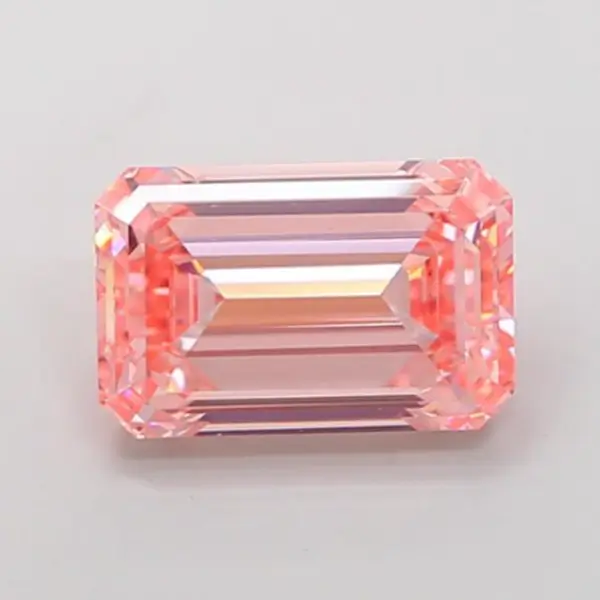
Tone purity is the primary standard to distinguish high-grade bulk lab-grown pink diamonds from ordinary products. Most low-end bulk pink diamond products on the market fail to reach commercial premium standards due to impure main tones and messy auxiliary tones. Professional manufacturers focus on precise tone grading in batch screening, focusing on identifying subtle auxiliary color biases that affect diamond value.
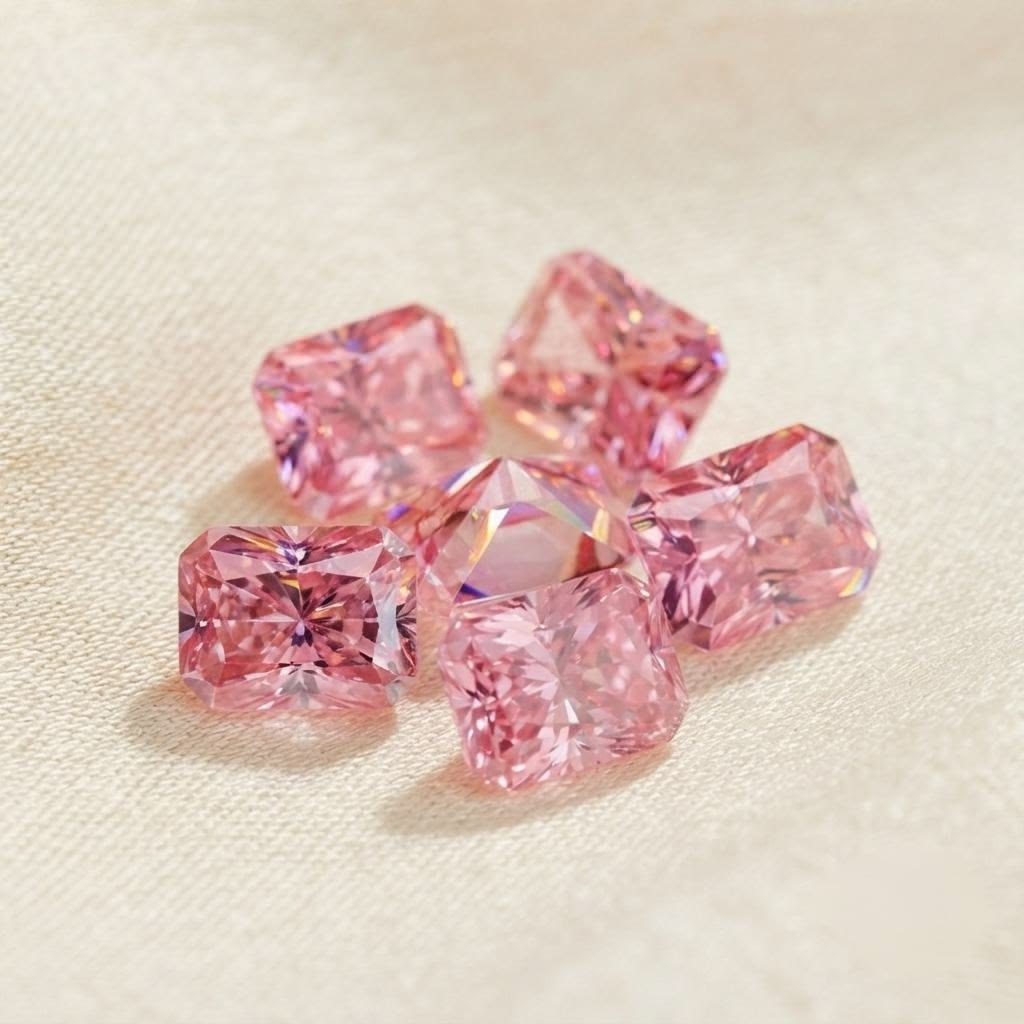
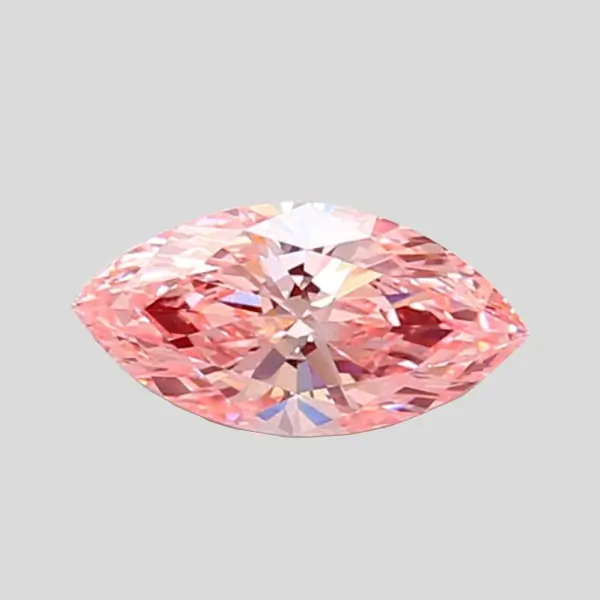
Undertones are the key hidden color layers beneath the main pink hue of lab-grown diamonds, which determine the overall color saturation and market positioning of bulk goods. In mass growth production, slight changes in growth temperature, pressure and gas ratio will trigger different undertone deviations, among which three typical biased tones are the most common quality problems. Brownish undertones are the most frequent defective tone in low-cost bulk lab-grown pink diamonds. This tone is caused by incomplete annealing treatment and residual carbon cluster accumulation in the diamond lattice. Diamonds with brownish undertones present a dull and hazy visual effect, losing the bright and vivid texture of high-quality pink diamonds, and are only suitable for low-end decorative jewelry processing.
Greyish undertones usually appear in HPHT-grown pink diamond batches with unstable pressure control. Excessive growth pressure leads to lattice dislocation and tiny internal stress residues, making the pink tone gray and lifeless. Such undertone defects are difficult to eliminate through post-processing and will directly reduce the wholesale premium of bulk products. Yellowish undertones stem from residual nitrogen element aggregation in the growth cavity. Nitrogen is the most common impurity element in diamond growth, and uneven nitrogen distribution will make pure pink diamonds mixed with faint yellow tones, destroying the pure color consistency required for high-end wholesale batches. Strict undertone screening is the first process of our bulk quality inspection, which classifies products into pure pink, slightly biased and severely biased grades to meet the differentiated needs of mid-to-high-end and low-end wholesale markets.
Influence of Boron Element on Pink Diamond Color Stability
Element doping control is the core technical link of lab-grown pink diamond production, and trace element content directly affects the color performance and stability of bulk products. Most high-quality commercial pink diamonds rely on precise element regulation to offset defective undertones and stabilize main color saturation, among which Boron is the most critical doping element in industrial mass production.
Boron is a typical p-type dopant in diamond growth, which is mainly used to neutralize the yellowish undertones caused by nitrogen enrichment in the growth process. In standardized bulk production, manufacturers will quantitatively add boron elements according to real-time monitoring data of growth cavities to balance lattice color deviation. Appropriate boron content can effectively suppress residual yellow tones, improve the purity of pink main color, and enhance the overall transparency of diamonds. However, excessive boron doping will cause new color defects. Excess boron elements will form blue-gray lattice centers inside the diamond, leading to grayish color deviation and reducing the color grade of pink diamonds. Insufficient boron doping cannot completely offset nitrogen-induced yellowish tones, resulting in impure pink color.
For bulk wholesale quality control, we formulate unified boron content threshold standards for batch production. Each batch of raw diamond materials will undergo spectral element detection to screen out products with unqualified boron content. This precise element control technology ensures that our bulk lab-grown pink diamond batches have stable color consistency, avoiding the common problems of uneven color and inconsistent grade in mixed wholesale products of small manufacturers. Stable boron element regulation also improves the color durability of finished diamonds, ensuring that Wholesale Lab Grown Diamonds & Jewelry can maintain long-term color brightness after processing.
Cloudy Phenomenon Identification and Clarity Grading for Bulk Products
Clarity is an indispensable core indicator of bulk lab-grown pink diamond quality evaluation, and macroscopic and microscopic clarity defects directly determine the commercial grade and wholesale price of products. In mass production, the most common batch clarity problem is Cloudy texture, which is a large-area haze defect different from single-point inclusions and cracks.
Cloudy phenomena in lab-grown pink diamonds are formed by dense tiny lattice inclusions, residual growth gas bubbles and micro-carbon clusters accumulated in the growth process. These tiny defects are densely distributed inside the diamond without clear boundaries, making the diamond present an overall hazy and opaque visual effect. Different from local single inclusions, cloudy defects affect the overall light transmission and brilliance of the diamond. Even diamonds with good color tone will lose commercial value if they have obvious cloudy textures, as they cannot reflect the unique fire and brightness of colored diamonds after cutting and polishing.
In bulk quality inspection, we adopt hierarchical identification standards for cloudy defects. Slight cloudy textures that are invisible to the naked eye and do not affect light refraction are classified as qualified ordinary commercial grades. Obvious cloudy phenomena with visible haze and reduced transparency are directly eliminated from high-end wholesale batches and classified into low-grade decorative product batches. For large-batch customized orders, we can adjust growth parameters in a targeted manner, optimize gas flow and pressure stability in the growth process, fundamentally reduce the generation of cloudy defects, and provide high-clarity, high-brilliance bulk pink diamond products for high-end jewelry customization brands.
Systematic Screening of Defects for Batch Quality Consistency
Various internal and external defects are the main factors leading to inconsistent quality of bulk lab-grown pink diamonds. Unlike single-piece customized diamond inspection, bulk wholesale quality evaluation focuses more on batch consistency and defect rate control. Systematic defect screening can effectively unify the grade standard of each batch of products and avoid quality differentiation in wholesale supply.
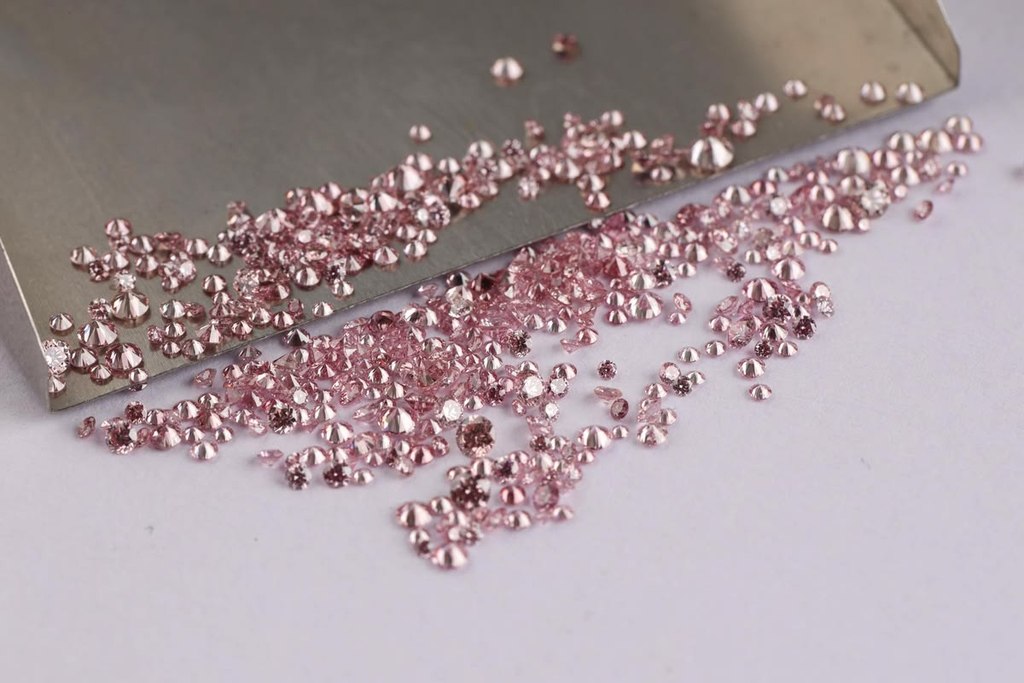
Common defects of lab-grown pink diamonds in mass production include lattice cracks, metallic inclusions, pinhole bubbles, growth lines and surface polishing blemishes. Internal lattice cracks are mostly caused by rapid temperature change in the growth cooling stage, which will reduce the structural stability of diamonds and easily cause cracking during cutting and inlaying. Metallic inclusions are residual catalyst particles in HPHT growth, which form opaque black spots inside the diamond and seriously affect clarity and appearance. Growth lines are layered texture traces formed by unstable growth rate, which destroy the uniformity of diamond color and light transmission.
As a professional lab diamond pink manufacturer china, we build a full-process defect monitoring system covering growth, annealing, cutting and polishing stages. In the raw material stage, we use high-power microscope and spectral detection equipment to screen internal defects and eliminate raw materials with severe lattice damage and large-area inclusions. In the post-processing stage, we standardize polishing processes to reduce surface blemishes and ensure uniform finish of bulk products. For minor defects that do not affect the overall quality, we conduct unified grade classification to form differentiated product matrices, covering high-end flawless customized products, mid-range eye-clean commercial products and low-end decorative products, fully meeting the diverse procurement needs of global wholesale customers.
Batch Grade Classification Standard for Wholesale Supply
Combined with tone performance, element stability, clarity performance and defect degree, we form a complete set of batch grade classification standards suitable for Wholesale Lab Grown Diamonds & Jewelry supply. This standard abandons single-indicator evaluation and realizes comprehensive quality scoring of bulk pink diamonds, ensuring stable and controllable batch quality for long-term wholesale cooperation.
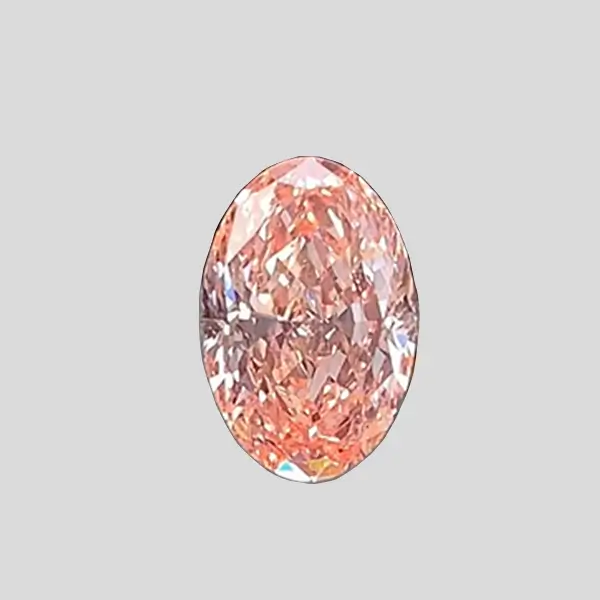
High-grade bulk lab-grown pink diamonds require pure pink main tones without visible brownish, greyish and yellowish undertones, precise boron element doping to ensure color stability, no obvious cloudy texture and zero major defects. Such products are mainly used for high-end jewelry customization, luxury brand matching and high-value gift markets, with high wholesale premium and stable market demand. Mid-grade products allow extremely faint undertones invisible to the naked eye, slight trace cloudy textures under professional detection and tiny minor defects that do not affect visual effect, which are suitable for mass commercial jewelry production and conventional wholesale transactions. Low-grade products have obvious biased undertones, slight cloudy haze and small-area defects, which are mainly supplied for low-cost decorative jewelry and daily accessory markets.
This hierarchical quality judgment system enables us to provide targeted product supply according to customer positioning, effectively solving the pain points of mixed quality and unclear grading of bulk lab-grown pink diamonds in the market. With stable production technology and strict batch quality control, Chinese professional manufacturers have become the core supply base of global high-quality bulk lab-grown pink diamonds, winning long-term recognition from global wholesale customers with reliable product quality and cost-effective supply services.